
Course material
Slides, PDFs, and a rendered Jupyter notebook stay visible while the student works.
AI Team Project / Learning technology
LECTRA is a planned interactive learning platform where students keep course material visible while working with a context-aware LLM assistant. It is designed to provide grounded answers, explanations, examples, practice questions, feedback, and a visible adaptive next step.
Download project pitch (PDF)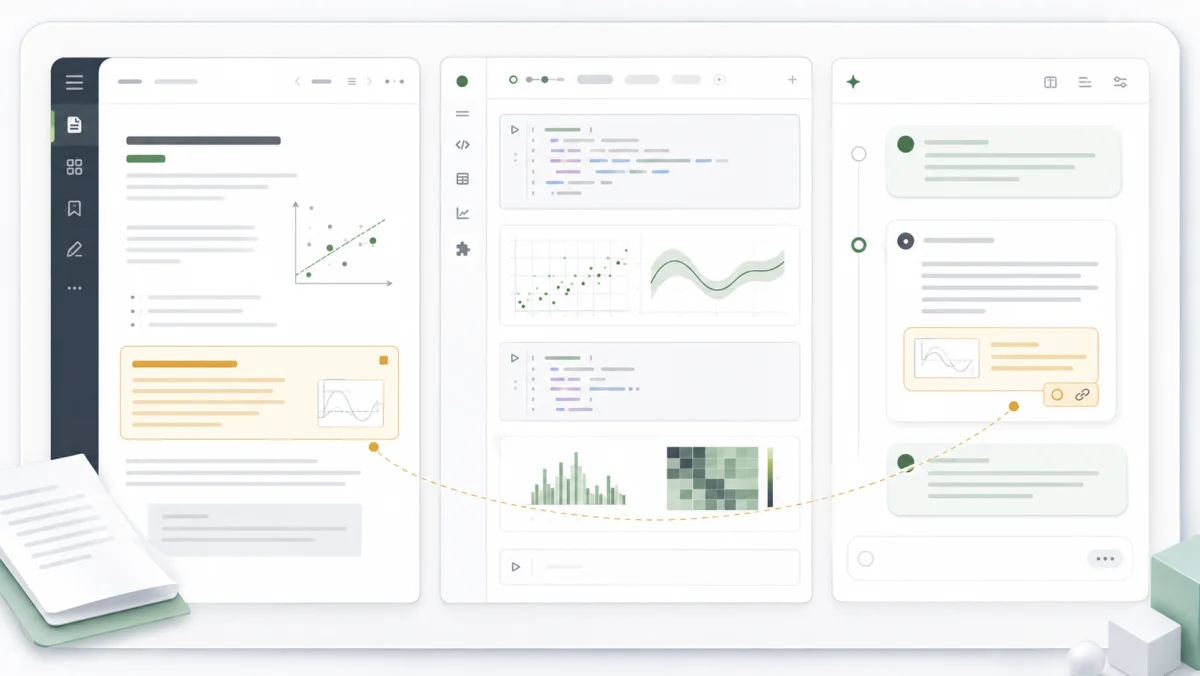
The question
Does a lightweight student learning-state model enable more useful and appropriately difficult explanations and exercises than course-material retrieval alone?
LECTRA will model topic-level signals from prior interactions, questions, and performance. These signals are estimates—not grades—and should be transparent enough for students or teachers to understand why practice on a topic was recommended.
The working screen
Slides, PDFs, and a rendered Jupyter notebook stay visible while the student works.
A student selects the relevant slide, page, section, or notebook cell before asking a question.
Answers should point back to the relevant source material, then offer a deeper or simpler explanation and additional examples.
A learning loop, not just a chat
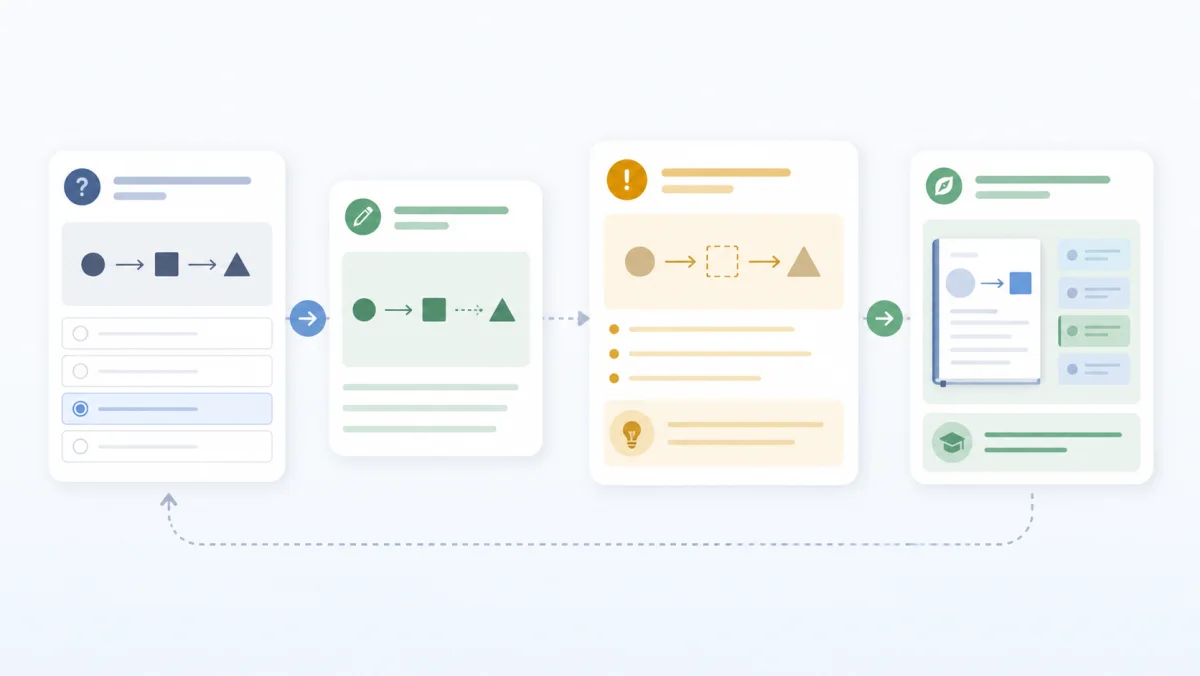
Ask about the selected material, request an explanation or example, or start a practice question.
The demonstrator should check an answer, explain mistakes, identify missing concepts, and suggest what to review.
A lightweight topic-level estimate of understanding, uncertainty, or gaps should shape at least one visible recommendation.
Apply what you learn
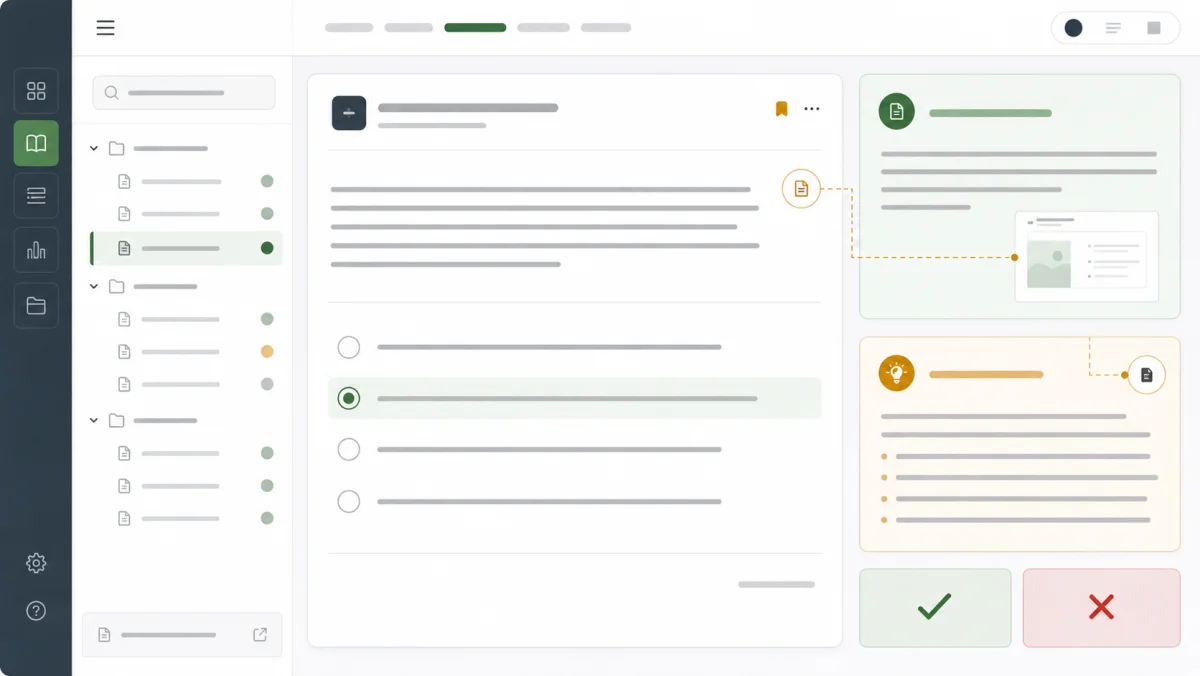
Students will be able to simulate exam-style questions based on the selected course content, answer them, and receive targeted feedback. When a concept is best understood through its effect on an implementation, the agent should also be able to write code into the Jupyter notebook so that the student can see the explanation alongside its impact on code.
What the demonstrator must cover
Final demonstration
A student opens lecture material and a related notebook, follows references from the chat, requests a simpler explanation and examples, answers a generated question, receives targeted feedback, and sees an adaptive follow-up recommendation.
Explore all AI Team ProjectsFor students
The project is about taking a research question through to a working product demonstrator: connecting course material, interaction design, grounded LLM support, feedback, and a transparent topic-level learning-state estimate.
What you walk away with
The experience of carrying a genuine research question all the way to a working system, in a mixed team across two universities and one shared repository.